

09 Oct innovative Teaching Methods for Modern Classrooms
In today’s fast-paced world, traditional teaching methods are no longer enough to meet the needs of modern students. Classrooms are evolving, and educators are adopting innovative teaching methods to make learning more engaging, interactive, and effective. Modern classrooms require approaches that not only convey information but also foster creativity, critical thinking, collaboration, and digital literacy.
This article explores the best innovative teaching methods for modern classrooms and explains how teachers can implement them effectively.
1. Flipped Classroom
The flipped classroom is a method where students study the lesson at home through videos or reading materials and use classroom time for interactive activities, problem-solving, and discussions. This method encourages active learning rather than passive listening. Students come prepared to ask questions and engage in deeper discussions, while teachers act as guides and mentors instead of simply delivering lectures.
Benefits:
- Promotes independent learning.
- Increases student participation.
- Allows teachers to focus on individual student needs.
2. Project-Based Learning (PBL)
Project-Based Learning is a hands-on teaching method where students learn by working on real-world projects. Instead of memorizing facts, students apply knowledge to solve practical problems. For example, a science class might involve designing an eco-friendly water filter, while a history class could require students to create a documentary on a historical event.
Benefits:
- Encourages critical thinking and problem-solving.
- Improves teamwork and communication skills.
- Helps students retain knowledge better through practical application.
3. Gamification
Gamification involves using game elements, such as points, badges, leaderboards, and challenges, to make learning fun and motivating. Many apps and online platforms provide opportunities for gamified learning. For instance, students can earn points for completing assignments, collaborating on projects, or participating in class activities.
Benefits:
- Increases motivation and engagement.
- Makes learning enjoyable.
- Encourages friendly competition and collaboration.
4. Blended Learning
Blended learning combines traditional classroom teaching with online learning tools. Students can access learning materials, quizzes, and discussion boards online, complementing face-to-face lessons. This approach allows teachers to personalize learning experiences and track student progress more effectively.
Benefits:
- Flexible learning environment.
- Supports personalized learning.
- Encourages self-paced study.
5. Collaborative Learning
Collaborative learning emphasizes teamwork and peer-to-peer interaction. Students work in small groups to solve problems, discuss topics, or complete projects. Teachers act as facilitators, guiding discussions and encouraging participation. Modern tools like Google Docs, Padlet, and Zoom can enhance collaborative learning even in hybrid or online classrooms.
Benefits:
- Builds communication and teamwork skills.
- Encourages multiple perspectives.
- Prepares students for real-world collaboration.
6. Experiential Learning
Experiential learning focuses on learning through experience and reflection. Field trips, lab experiments, internships, and role-playing exercises allow students to connect theory with practice. This method makes learning memorable and develops practical skills.
Benefits:
- Connects classroom learning with real-life situations.
- Develops problem-solving and decision-making skills.
- Enhances student engagement and curiosity.
7. Inquiry-Based Learning
Inquiry-Based Learning encourages students to ask questions, research answers, and explore topics independently. Teachers guide the process by providing resources and support but allow students to take ownership of their learning. This method nurtures curiosity and analytical thinking.
Benefits:
- Encourages self-directed learning.
- Develops research and critical thinking skills.
- Makes learning more meaningful and student-centered.
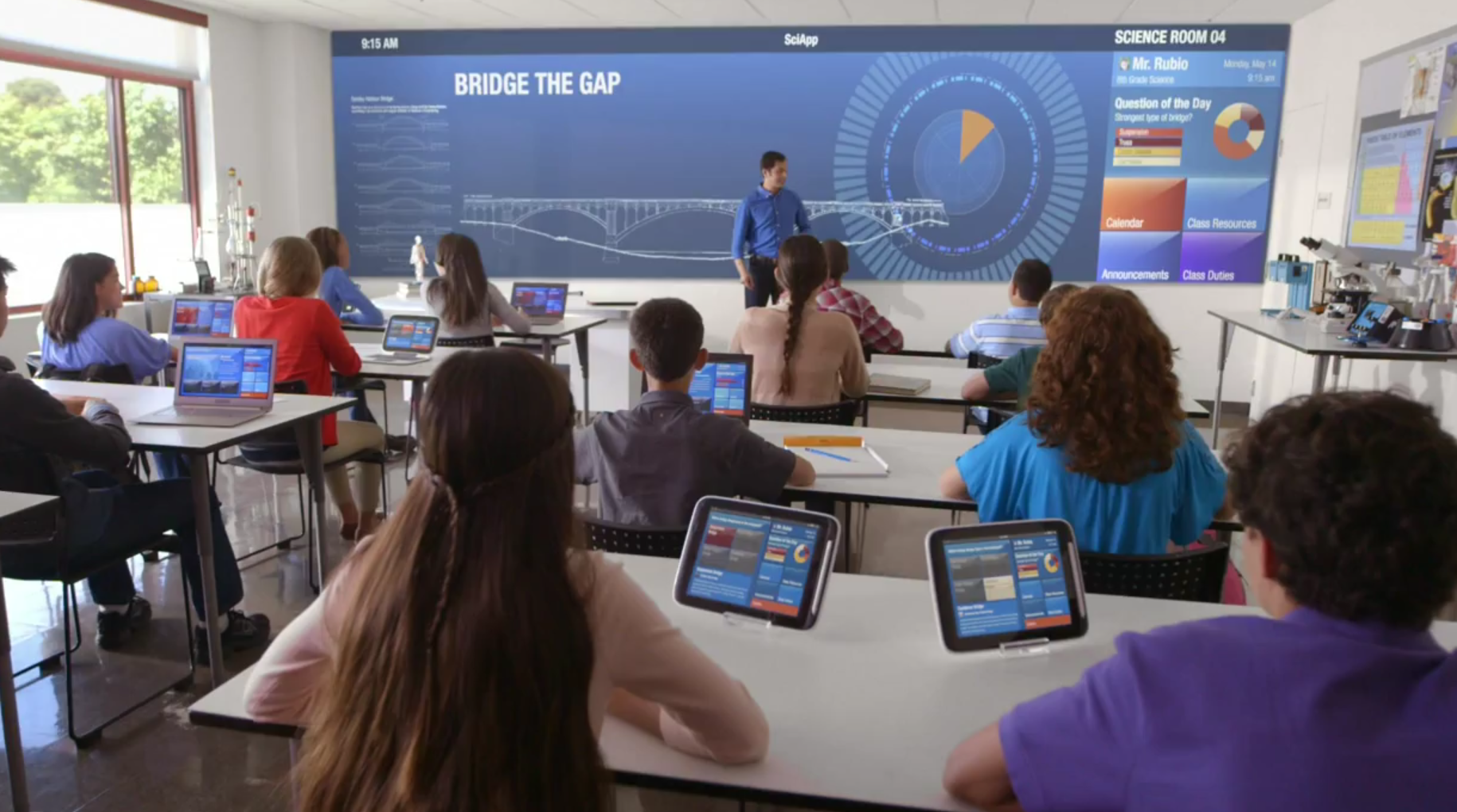
8. Technology-Enhanced Learning
Modern classrooms are increasingly incorporating technology to enhance teaching. Interactive whiteboards, tablets, VR (Virtual Reality), AR (Augmented Reality), and educational apps can transform traditional lessons into immersive experiences. For example, VR can take students on virtual field trips, while AR apps can overlay interactive information on textbooks.
Benefits:
- Engages students through interactive content.
- Supports visual and experiential learning.
- Prepares students for a tech-driven world.
9. Mindfulness and Social-Emotional Learning (SEL)
Innovative classrooms also focus on students’ mental and emotional well-being. Mindfulness exercises, meditation sessions, and SEL activities help students manage stress, improve focus, and develop empathy. Teachers can integrate short mindfulness practices or reflection activities into daily routines.
Benefits:
- Improves emotional intelligence and self-awareness.
- Reduces stress and anxiety.
- Supports a positive learning environment.
10. Personalized Learning
Personalized learning tailors education to meet individual student needs, learning pace, and preferences. Teachers use assessments, data analytics, and adaptive learning platforms to customize lessons. Students can focus on their strengths and work on areas where they need improvement.
Benefits:
- Enhances learning efficiency.
- Addresses diverse learning needs.
- Encourages student autonomy and motivation.
Conclusion
Innovative teaching methods are transforming modern classrooms into dynamic, interactive, and student-centered learning environments. Methods such as flipped classrooms, project-based learning, gamification, and technology-enhanced teaching help students develop critical skills like creativity, collaboration, and problem-solving. By adopting these approaches, educators can prepare students not only for academic success but also for the challenges of the real world.
FAQs
1. What are innovative teaching methods?
Innovative teaching methods are strategies that go beyond traditional lectures, focusing on interactive, hands-on, and student-centered learning experiences.
2. Why are these methods important in modern classrooms?
They engage students, improve knowledge retention, foster critical thinking, and prepare learners for real-world challenges.
3. How can teachers implement project-based learning effectively?
Teachers should choose relevant projects, provide clear instructions, encourage teamwork, and guide students while allowing autonomy.
4. Can technology replace traditional teaching?
Technology enhances teaching but cannot replace the teacher’s role in mentoring, facilitating, and guiding student learning.5. Are these methods suitable for all age groups?
Yes, innovative methods can be adapted for any age group, from young children to university students, depending on the learning objectives.
Sorry, the comment form is closed at this time.