

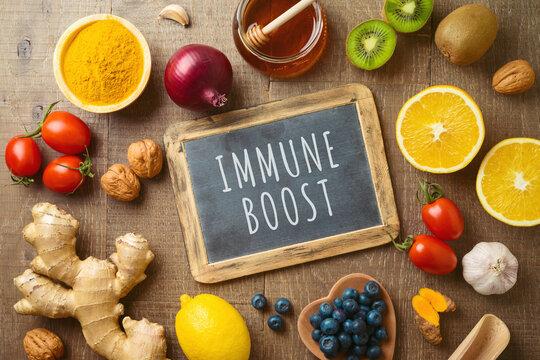
09 Oct Essential Vitamins for Better Immune Health
Having a strong immune system is one of the best gifts you can give to your body. It helps you stay protected from infections, diseases, and everyday fatigue. With today’s fast-paced lifestyle and stress-filled routines, many people struggle with weak immunity without even realizing it. One of the most natural and effective ways to boost your immune health is by ensuring your body gets all the essential vitamins it needs.
In this article, we’ll explore the most important vitamins for better immune health, how they work in your body, and the best natural sources to include in your daily diet.
Why Vitamins Are Important for the Immune System
Your immune system is like a defense army that protects your body from harmful invaders such as bacteria, viruses, and toxins. To function properly, this army needs the right nutrition — and vitamins play a major role here.
Each vitamin has a unique job:
- Some help your body produce antibodies.
- Others boost the activity of immune cells.
- Some work as antioxidants, protecting your cells from damage.
Without enough vitamins, your immune system can’t perform at its best. You might notice more frequent colds, slower recovery, and general tiredness. That’s why eating a balanced diet full of vitamin-rich foods is key to staying healthy year-round.
1. Vitamin C – The Ultimate Immune Booster
When people talk about immunity, Vitamin C is usually the first that comes to mind — and for good reason. This powerful antioxidant strengthens your body’s natural defenses by supporting various immune functions.
How Vitamin C Helps:
- Stimulates the production of white blood cells, which fight off infections.
- Protects immune cells from damage by neutralizing harmful free radicals.
- Helps wounds heal faster and supports the skin’s protective barrier.
Best Sources of Vitamin C:
You don’t need supplements right away — nature has plenty of Vitamin C-rich foods, including:
- Citrus fruits like oranges, lemons, and grapefruits
- Kiwi, strawberries, and papaya
- Bell peppers and broccoli
- Kale and spinach
Tip: Vitamin C is water-soluble, meaning your body doesn’t store it. So, it’s important to consume it daily through food or natural juices.
2. Vitamin D – The Sunshine Vitamin
Vitamin D is not just for strong bones — it’s crucial for a well-functioning immune system. It enhances the pathogen-fighting effects of white blood cells and reduces inflammation, helping your body respond effectively to infections.
How Vitamin D Helps:
- Supports immune cell activity and helps regulate immune responses.
- May lower the risk of respiratory infections and chronic diseases.
- Plays a role in reducing inflammation in the body.
Best Sources of Vitamin D:
- Sunlight exposure (15–20 minutes a day)
- Fatty fish like salmon, mackerel, and tuna
- Fortified foods such as milk, yogurt, and cereals
- Egg yolks and mushrooms
Tip: Many people have low Vitamin D levels, especially during winter. If you can’t get enough sunlight, talk to your doctor about supplements.
3. Vitamin A – The Shield for Your Cells
Vitamin A is essential for maintaining the structure of the cells in your skin, respiratory system, and gut — all of which act as barriers against infections. It’s also involved in producing white blood cells that identify and destroy harmful pathogens.
How Vitamin A Helps:
- Keeps the mucous membranes in your respiratory tract healthy.
- Supports the production of antibodies.
- Promotes the growth and repair of tissues.
Best Sources of Vitamin A:
- Carrots, sweet potatoes, and pumpkins (rich in beta-carotene)
- Dark leafy greens like spinach and kale
- Liver, eggs, and dairy products
Tip: Eating colorful fruits and vegetables is an easy way to get enough Vitamin A naturally.
4. Vitamin E – The Antioxidant Protector
Vitamin E works as a strong antioxidant, helping to protect your cells from oxidative stress — a condition that weakens the immune system. It also enhances the activity of immune cells, especially in older adults.
How Vitamin E Helps:
- Protects immune cells from damage caused by free radicals.
- Supports the body’s defense mechanisms.
- Helps reduce inflammation.
Best Sources of Vitamin E:
- Nuts and seeds (almonds, sunflower seeds, hazelnuts)
- Vegetable oils (sunflower, safflower, and wheat germ oil)
- Spinach, broccoli, and avocado
Tip: A small handful of mixed nuts daily can give you a healthy dose of Vitamin E.
5. Vitamin B6 – The Energy and Immunity Connector
Vitamin B6 is often overlooked but plays a huge role in supporting biochemical reactions in the immune system. It helps produce white blood cells and antibodies and ensures your body’s defense system runs smoothly.
How Vitamin B6 Helps:
- Involved in producing red and white blood cells.
- Helps regulate immune responses.
- Supports brain function and energy levels.
Best Sources of Vitamin B6:
- Chicken, turkey, and fish
- Bananas and chickpeas
- Potatoes and fortified cereals
Tip: If you often feel low in energy or get sick easily, try adding more B6-rich foods to your meals.
6. Vitamin B12 – The Vital Support System
Another important B-vitamin for immunity is Vitamin B12. It’s essential for red blood cell formation and keeping the nervous system healthy. A lack of B12 can weaken the body’s ability to fight infections.
How Vitamin B12 Helps:
- Maintains healthy blood cells, which transport oxygen.
- Helps regulate immune function.
- Boosts energy and prevents fatigue.
Best Sources of Vitamin B12:
- Meat, fish, and poultry
- Eggs and dairy products
- Fortified plant-based milks or cereals (for vegetarians and vegans)
Tip: Vegans should consider taking a B12 supplement since plant sources usually don’t provide enough of this vitamin.
How to Get the Right Balance of Vitamins
While vitamins are important, balance is key. Taking too much of certain vitamins (like A or D) can be harmful, especially in supplement form. Here are a few tips to maintain healthy vitamin levels naturally:
- Eat a colorful diet: Include a variety of fruits, vegetables, nuts, and lean proteins daily.
- Stay hydrated: Water helps in vitamin absorption and detoxification.
- Get enough sleep: Rest supports your immune system’s recovery and repair.
- Limit processed foods: These often lack essential nutrients.
- Consult a doctor before supplements: Especially if you have health conditions or take medications.
Lifestyle Habits That Support Immune Health
Besides vitamins, a few simple lifestyle choices can make a big difference in your immune strength:
- Exercise regularly: Boosts blood flow and immune cell activity.
- Reduce stress: Chronic stress weakens immune responses.
- Quit smoking and limit alcohol: These can lower your vitamin absorption and immune power.
- Wash your hands often: Prevents infections before they start.
Remember — vitamins work best when combined with a healthy, balanced lifestyle.
Final Thoughts
Your immune system is your body’s first line of defense, and giving it the right nutrients can make a world of difference. Vitamins like C, D, A, E, and B-complex are not just supplements — they are powerful allies in keeping you strong, energetic, and illness-free.
By choosing wholesome foods and maintaining good habits, you can naturally strengthen your immunity and enjoy a healthier, more vibrant life.
Frequently Asked Questions (FAQs)
1. Can I get all essential vitamins from food alone?
Yes, if you eat a balanced diet with fruits, vegetables, whole grains, and proteins. However, some people may need supplements — especially for Vitamin D or B12 — if their diet or environment limits natural sources.
2. Is it safe to take multiple vitamin supplements together?
It’s generally safe if you stay within recommended doses, but it’s best to consult your doctor before combining supplements to avoid overdosing or unwanted interactions.
3. How do I know if I’m vitamin deficient?
Common signs include fatigue, weak immunity, slow wound healing, dry skin, or brittle nails. A simple blood test from your doctor can confirm deficiencies.
4. Can vitamins prevent colds or flu completely?
Vitamins help reduce your risk and make recovery faster, but they can’t guarantee full prevention. Maintaining hygiene, sleep, and exercise also play key roles.
5. What’s the best time to take vitamins for immune health?
Fat-soluble vitamins (A, D, E, K) should be taken with meals containing fat, while water-soluble ones (C, B-complex) can be taken any time, preferably in the morning with water.
Sorry, the comment form is closed at this time.