

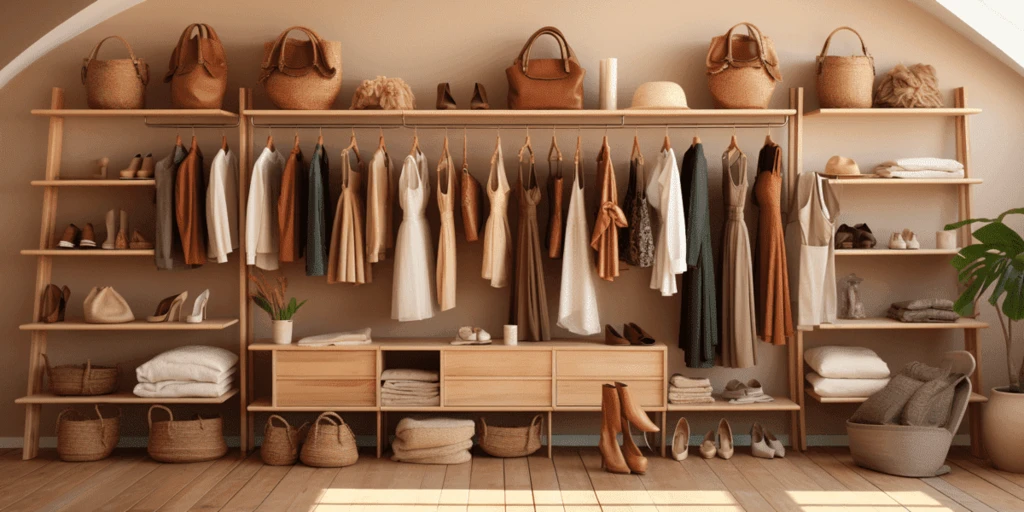
09 Oct How to Build a Sustainable Wardrobe on a Budget
In today’s world, the fashion industry is changing faster than ever — new trends pop up every week, and cheap clothing seems impossible to resist. But behind all those low prices lies a hidden cost: pollution, poor working conditions, and tons of textile waste.
The good news? You don’t need to spend a fortune to dress sustainably. In fact, building a sustainable wardrobe on a budget is not only possible — it’s smart, stylish, and better for the planet.
Let’s explore how you can create a wardrobe you love, filled with pieces that last, without breaking the bank.
1. Understand What a Sustainable Wardrobe Means
Before you start shopping or decluttering, it’s important to understand what sustainable fashion really is.
A sustainable wardrobe focuses on:
- Quality over quantity — owning fewer, better-made pieces.
- Ethical production — supporting brands that pay fair wages and use eco-friendly materials.
- Longevity — choosing clothes that stand the test of time, not just passing trends.
It’s not about being perfect. It’s about being more mindful — choosing clothes that make you feel good while reducing your environmental footprint.
2. Start with What You Already Own
The most sustainable clothes are the ones already in your closet. Before buying anything new, go through your wardrobe and take inventory.
Ask yourself:
- What do I actually wear often?
- What no longer fits my style or lifestyle?
- Can I repair, reuse, or restyle any of these pieces?
You might be surprised by how many “new” outfits you can create from what you already have. Try mixing and matching differently, layering, or adding simple accessories to refresh your look.
Tip: Take good care of your clothes — wash them gently, air dry when possible, and store them properly. The longer they last, the less you’ll need to buy.
3. Declutter Mindfully — But Don’t Waste
If you decide to declutter, do it responsibly. Instead of throwing clothes away, try these options:
- Donate to local shelters or charities.
- Sell gently used items online (on sites like Poshmark, Depop, or Facebook Marketplace).
- Swap with friends or family — clothing swaps are a fun, budget-friendly way to refresh your wardrobe sustainably.
- Repurpose old fabrics into cleaning cloths, tote bags, or even DIY crafts.
Every piece that gets reused means one less item ending up in a landfill.
4. Shop Secondhand and Thrift Stores
Thrifting is one of the easiest and most affordable ways to build a sustainable wardrobe. You can find high-quality, unique items at a fraction of the original cost.
Here’s how to make the most of it:
- Visit local thrift shops regularly — inventory changes often.
- Check online resale platforms like ThredUp or Vinted.
- Keep a list of what you actually need, so you don’t overbuy.
- Look for natural fabrics like cotton, linen, or wool that last longer.
Thrift shopping not only saves money but also gives clothes a second life. Plus, it’s fun — you never know what gems you might find!
5. Invest in Timeless, Versatile Pieces
Trends come and go, but timeless basics never go out of style. When you buy fewer items, it’s worth investing in pieces that work across seasons and occasions.
Some wardrobe staples include:
- A classic white shirt
- A well-fitted pair of jeans
- A neutral blazer or cardigan
- A little black dress
- Comfortable shoes
Choose neutral colors like black, beige, white, navy, and gray — they’re easy to mix and match, helping you create multiple outfits from fewer items.
6. Learn Basic Sewing and Repair Skills
One of the most empowering parts of building a sustainable wardrobe is learning to repair your clothes. You don’t need to be a fashion designer — just knowing how to sew a button or fix a small tear can save you money and extend the life of your clothes.
There are plenty of free tutorials online for beginners. Try mending, hemming, or even upcycling an old piece into something fresh and trendy.
When you fix your clothes, you’re not just saving money — you’re reducing waste and creating a deeper connection to your wardrobe.
7. Buy from Ethical and Budget-Friendly Brands
Sustainable fashion doesn’t always mean expensive. Many affordable brands now focus on eco-friendly materials, fair labor, and transparency.
Look for:
- Brands that use organic cotton, recycled polyester, or Tencel.
- Companies that share information about their factories and environmental efforts.
- Certifications like Fair Trade, B Corp, or GOTS (Global Organic Textile Standard).
Even if you can only afford to buy one ethical piece at a time, that’s a great start. Small steps matter.
8. Adopt the “One In, One Out” Rule
To avoid unnecessary clutter, try adopting the “one in, one out” rule — for every new item you buy, donate or sell one you no longer use.
This keeps your wardrobe balanced and ensures you’re buying with intention rather than impulse. It’s a simple yet effective way to stay mindful of your consumption habits.
9. Focus on Quality, Not Quantity
It’s tempting to buy five cheap shirts instead of one well-made one, but quality pieces last much longer — saving you money in the long run.
When shopping, check for:
- Sturdy stitching and seams.
- Thick, durable fabric that won’t stretch or fade easily.
- Versatility — can you wear it in multiple ways or seasons?
Buying fewer but better-quality pieces reduces waste and ensures your wardrobe stays stylish and functional for years.
10. Care for Your Clothes Properly
How you care for your clothes matters as much as how you buy them. Washing and storing them correctly can extend their lifespan significantly.
Here’s how:
- Wash only when necessary — over-washing wears out fabrics faster.
- Use cold water and mild detergent.
- Air dry instead of machine drying to reduce damage and energy use.
- Store clothes in a cool, dry place to prevent mold or fading.
Proper care means your favorite pieces will look newer, longer.
11. Be Patient and Realistic
Building a sustainable wardrobe doesn’t happen overnight. It’s a gradual process of making better choices, replacing fast fashion with thoughtful alternatives, and appreciating what you already have.
You don’t need to throw everything out and start fresh — just begin where you are. Every step, no matter how small, moves you toward a more sustainable lifestyle.
Final Thoughts
Creating a sustainable wardrobe on a budget isn’t about perfection — it’s about progress. It’s about making intentional decisions that align with your values, your wallet, and the planet.
When you buy less, choose wisely, and care for your clothes, you’ll find that fashion becomes more personal and fulfilling. You’ll save money, reduce waste, and feel good about the impact you’re making.
Remember: sustainability starts with small choices — and those small choices create a big difference over time.
Dress with purpose. Wear what you love. And build a wardrobe that reflects not just your style, but your values.
Frequently Asked Questions (FAQs)
1. What does a sustainable wardrobe really mean?
A sustainable wardrobe is built around quality, longevity, and ethical choices. It focuses on buying fewer clothes that are made to last, produced fairly, and have minimal environmental impact.
2. Can I build a sustainable wardrobe if I don’t have much money?
Yes! Shopping secondhand, repairing clothes, and reusing what you already own are great ways to be sustainable without spending much. You don’t need to buy expensive eco brands to make a difference.
3. How do I know if a brand is truly sustainable?
Look for transparency. Sustainable brands often share details about their materials, factories, and workers. Check for certifications like Fair Trade, GOTS, or B Corp for credibility.
4. Is it okay to still buy fast fashion sometimes?
It’s about progress, not perfection. If you must buy from fast fashion brands, choose pieces you’ll wear often and take care of them well. The goal is to buy less and use longer.
5. How long does it take to create a sustainable wardrobe?
There’s no fixed timeline — it’s an ongoing journey. Start small by decluttering, shopping mindfully, and making better choices over time. Within a few months, you’ll notice your wardrobe feels more intentional and authentic.
No Comments